
What Does Reishi Mushroom Do for You? Benefits, Uses & Side Effects Explained

What Does Reishi Mushroom Do for You? Benefits, Uses & Side Effects Explained
Reishi mushroom, scientifically known as Ganoderma lucidum, has gained global attention for its potential health benefits. If you’re wondering what does reishi mushroom do for you, the answer lies in its ability to support immunity, reduce stress, and promote overall wellness. This guide explains everything in a clear, natural, and SEO-friendly way—without keyword stuffing.
What Is Reishi Mushroom?
Reishi is a medicinal fungus used for centuries in traditional Asian practices. Unlike regular edible mushrooms, it has a bitter taste and is typically consumed in supplement form.
It is also classified as an adaptogen, meaning it may help the body handle physical and mental stress more effectively.
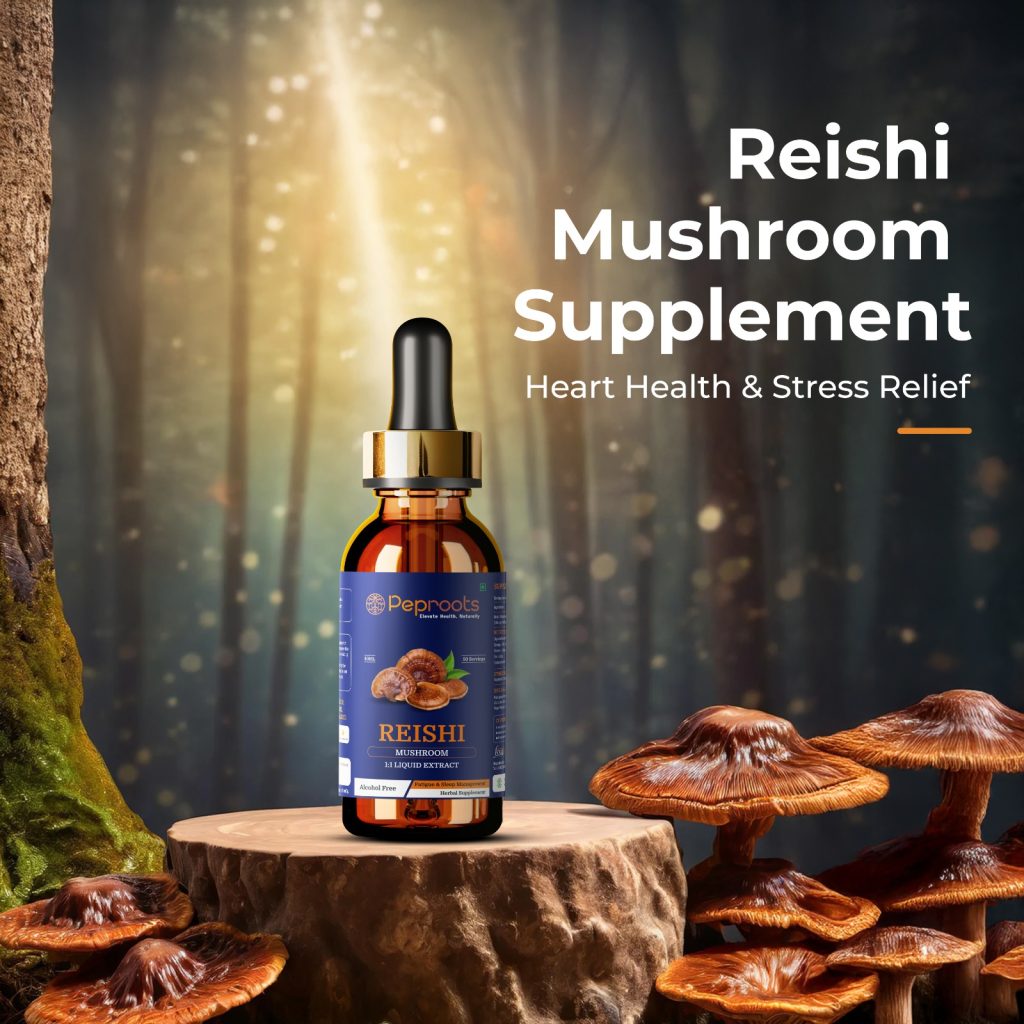
Key Benefits of Reishi Mushroom
1. Supports Immune Health
One of the most researched benefits of reishi mushroom is its impact on the immune system. It contains compounds like beta-glucans that help regulate immune response, making your body more resilient against infections.
2. Helps the Body Manage Stress
Reishi is widely used for its calming properties. As an adaptogen, it may help stabilize stress hormones and promote a more balanced mental state. People dealing with daily stress often turn to reishi for natural support.
3. Improves Sleep Quality
Many users report better sleep after adding reishi to their routine. It may help relax the nervous system and improve sleep cycles, especially for those struggling with restlessness or mild insomnia.
4. Supports Heart Health
Reishi mushroom may contribute to cardiovascular wellness by helping maintain healthy blood pressure and cholesterol levels. This makes it a useful addition to a heart-conscious lifestyle.
5. Rich in Antioxidants
Reishi contains powerful antioxidants that help protect the body from oxidative stress. This supports healthy aging and overall vitality.
6. May Support Liver Function
Some research suggests that reishi can support liver health by aiding detox processes and protecting liver cells from damage.
How to Use Reishi Mushroom
Understanding how to consume it is just as important as knowing its benefits.
Common Forms:
- Capsules (easy daily use)
- Powder (added to drinks or smoothies)
- Herbal tea (traditional method)
- Liquid extracts (high potency)
General Dosage:
- Usually ranges between 1.5 to 9 grams per day depending on the form
It’s always best to follow product guidelines or consult a healthcare professional.
Are There Any Side Effects?
Reishi mushroom is generally safe for most people, but some may experience mild effects such as:
- Dry mouth
- Upset stomach
- Dizziness
Who Should Be Careful?
- Pregnant or breastfeeding women
- People taking blood-thinning medications
- Individuals with low blood pressure
If you have a medical condition, professional advice is recommended before use.
Is It Safe for Daily Use?
For most healthy individuals, moderate daily use is considered safe. However, long-term use should be balanced and monitored, especially if combined with other supplements or medications.
Final Thoughts
So, what does reishi mushroom do for you? In simple terms, it helps support immunity, manage stress, improve sleep, and contribute to overall well-being. While it’s not a quick fix, consistent use may offer noticeable health benefits over time.
The key is to use it wisely, choose high-quality products, and maintain a balanced lifestyle.
FAQ (Frequently Asked Questions)
1. What does reishi mushroom do for you?
Reishi mushroom supports immune function, helps manage stress, improves sleep quality, and promotes overall wellness.
2. How long does it take to see results?
Most people notice gradual improvements within 2–4 weeks of consistent use.
3. Can reishi mushroom be taken daily?
Yes, it can be used daily in moderate amounts, but long-term use should be monitored.
4. Is reishi good for anxiety and stress?
Yes, due to its adaptogenic nature, it may help the body cope with stress and promote relaxation.
5. Are there any serious side effects?
Serious side effects are rare. Most people tolerate it well when taken in recommended doses.
